
The Future of Business: Emerging Trends in AI and Automation


In today's rapidly evolving world, businesses are constantly looking for ways to stay ahead of the curve. Two key areas that are driving this change are AI and automation. These technologies are not only reshaping industries but also redefining the way companies operate. As we look to the future, it's clear that AI and automation will play a crucial role in business transformation.

AI in Decision Making
AI is becoming an integral part of decision-making processes across various sectors. With the ability to analyze vast amounts of data quickly and accurately, AI systems help businesses make informed decisions. From predictive analytics to customer insights, AI tools are empowering companies to optimize their strategies and enhance performance.
Moreover, AI-driven decision-making reduces human error and increases efficiency. By leveraging machine learning algorithms, businesses can identify patterns and trends that may not be immediately apparent to human analysts. This capability allows companies to anticipate market changes and adjust their operations accordingly.
Enhancing Customer Experience
AI is revolutionizing the way businesses interact with their customers. Through personalized recommendations and chatbots, companies are able to provide a more tailored and responsive customer experience. AI systems can analyze customer behavior and preferences to deliver content and solutions that meet individual needs.

Chatbots, in particular, have become a staple in customer service, offering 24/7 support and resolving queries efficiently. As AI technology advances, these systems will become even more sophisticated, further enhancing the customer journey.
Automation in Operations
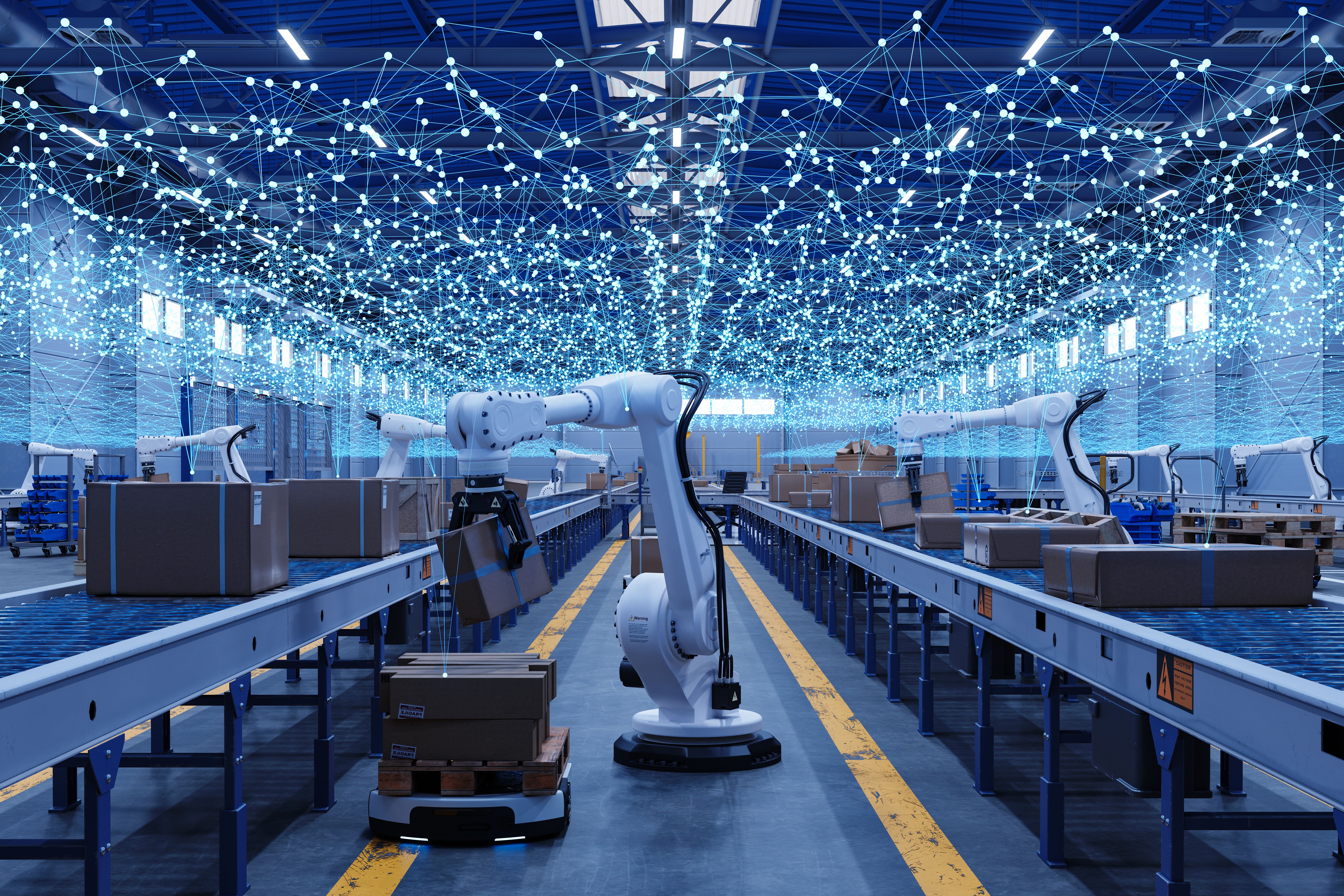
Automation is streamlining business operations by reducing manual tasks and increasing efficiency. From manufacturing to logistics, automated systems are performing repetitive tasks with precision and speed. This shift not only saves time but also reduces costs, allowing companies to allocate resources to more strategic initiatives.
In manufacturing, for instance, automation is transforming production lines with robots and IoT devices. These technologies enable real-time monitoring and maintenance, ensuring optimal performance and minimizing downtime.
Workforce Transformation
As automation becomes more prevalent, the workforce is also undergoing significant changes. While some fear job displacement, automation is creating new opportunities for upskilling and reskilling. Employees are now focusing on tasks that require creativity, problem-solving, and critical thinking—skills that machines cannot replicate.
Companies are investing in training programs to equip their workforce with the skills needed in this new era. By embracing automation, businesses can foster a more dynamic and innovative work environment.
The Road Ahead
The integration of AI and automation in business is just beginning. As these technologies continue to evolve, they will unlock new possibilities and drive unprecedented growth. Businesses that adapt and embrace these changes will be well-positioned to thrive in the future.
Ultimately, the future of business lies in the symbiotic relationship between humans and machines. By leveraging the strengths of both, companies can achieve greater efficiency, innovation, and success.